
2026 Ultimate Guide to Cylindrical Lithium Ion Cell Sizes and Specifications
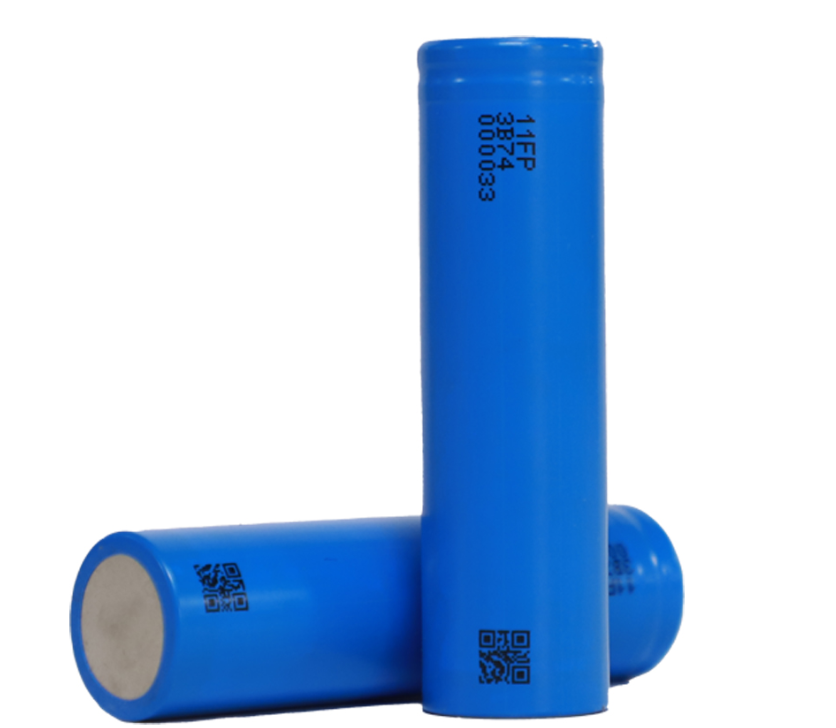
Cylindrical lithium ion cells remain one of the most reliable, versatile, and widely used battery formats in the world. From power tools and electric vehicles to solar storage and consumer electronics, these compact powerhouses deliver consistent performance, excellent safety, and cost-effective manufacturing. If you’re searching for cylindrical cell sizes, or detailed specs on cylindrical lithium ion cells, this comprehensive guide breaks down everything you need to know — from real-world models to chemistry, structure, and advantages.
What Are Cylindrical Lithium Ion Cells?
A cylindrical lithium ion cell is a rechargeable battery with a distinctive round, tube-like shape. These cells come in two main outer materials — steel or polymer — and use different cathode chemistries, including lithium iron phosphate (LFP), lithium cobalt oxide (LCO), lithium manganese oxide (LMO), and ternary lithium nickel cobalt manganese (NMC).
Most commercial cylindrical cells today use a durable steel shell, with LFP chemistry dominating many high-safety applications. They are prized for high capacity, stable voltage output, strong cycle life, wide operating temperature range, and excellent safety characteristics. You’ll find them powering everything from lawn lights and backup energy systems to electric tools and toy models.
Popular Cylindrical Cell Models and Sizes
Cylindrical cells follow standardized international naming conventions that instantly reveal their dimensions. The most common format is 18xxx or 26xxx, where the first two digits represent diameter in millimeters and the next two or three indicate height in millimeters (with the final “0” confirming cylindrical shape).
Here is a clear overview of widely used cylindrical cell models and their key specifications:
| Cell Model | Chemistry | Nominal Voltage | Nominal Capacity | Charge Temp. | Discharge Temp. | Standard Charge | Max Discharge |
|---|---|---|---|---|---|---|---|
| ICR18650 (Ternary) | NMC | 3.7 V | 2200 mAh | 0~45°C | -40~+60°C | 2.2 A (1C) | 10 A (5C) |
| ICR18650 (Ternary) | NMC | 3.7 V | 2500 mAh | 0~45°C | -40~+60°C | 2.5 A (1C) | 25 A (10C) |
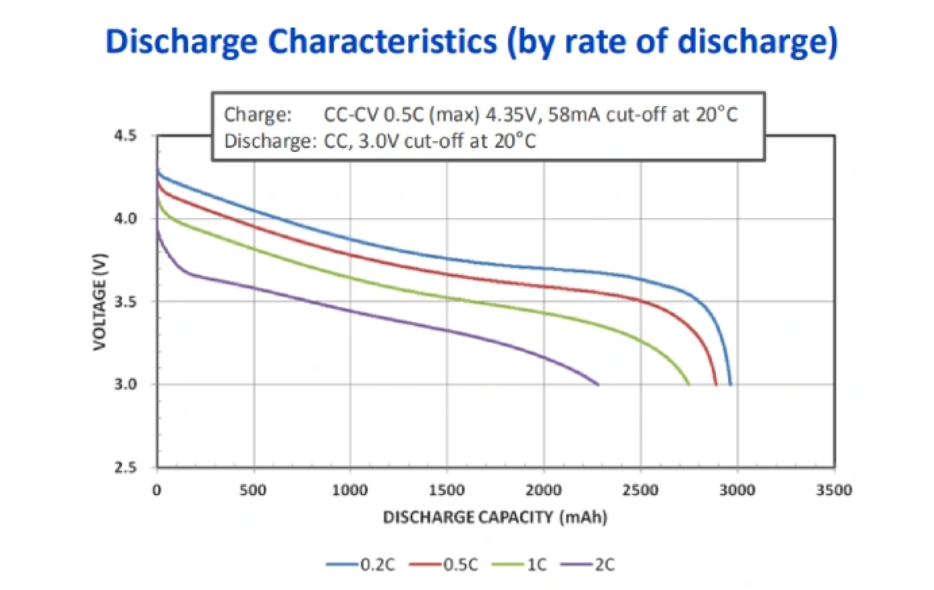
| ICR18650 (Ternary) | NMC | 3.7 V | 3000 mAh | 0~45°C | -40~+60°C | 3.0 A (1C) | 15 A (5C) |
| ICR21700 (Ternary) | NMC | 3.7 V | 4000 mAh | 0~45°C | -40~+60°C | 4.0 A (1C) | 40 A (10C) |
| NCR18650B | NMC | 3.6 V | 3350 mAh | 0~45°C | -20~60°C | 1.625 A | 4.875 A |
| INR18650-30Q | NMC | 3.6 V | 3000 mAh | 0~45°C | -20~75°C | 0.5C | 15 A |
| IFR26650 (LFP) | LiFePO4 | 3.2 V | 3200 mAh | -20~+45°C | -40~+60°C | 3.2 A (1C) | 10 A (3C) |
| IFR32700 (LFP) | LiFePO4 | 3.2 V | 5000 mAh | -20~+45°C | -40~+60°C | 5.0 A (1C) | 25 A (5C) |
| IFR26650 E3400 (LFP) | LiFePO4 | 3.2 V | 3400 mAh | 0~60°C | -10~60°C | 2.0 A | 10.2 A |
These cylindrical cell sizes (18650, 21700, 26650, 32700) are the industry standards, offering easy compatibility across packs and devices.
Internal Structure of a Cylindrical Lithium Ion Cell
Every cylindrical lithium ion cell contains:
- Outer shell (usually nickel-plated steel, serving as the negative terminal)
- Positive cap (positive terminal)
- Cathode (positive electrode)
- Anode (negative electrode)
- Separator
- Electrolyte
- Safety components: PTC element, gasket, and safety valve
This robust sealed design prevents leakage and provides high pressure resistance.
Key Advantages of Cylindrical Lithium Ion Cells
Compared to pouch or prismatic cells, cylindrical designs excel because:
- Mature, standardized production — decades of refinement mean high yield rates and lower costs.
- Excellent heat dissipation — the cylindrical shape offers a large surface-area-to-volume ratio for superior cooling.
- Uniform international standards — easy to source and integrate into battery packs (PACK).
- No maintenance required — fully sealed and reliable in daily use.
- High structural strength — no swelling or deformation issues common in soft-pack cells.
These benefits make cylindrical cells the go-to choice for high-volume, high-reliability applications.
Cathode Materials: Choosing the Right Chemistry
Different cathode materials deliver unique performance trade-offs. Here’s a quick comparison of the four main types used in cylindrical lithium ion cells:
| Property | Lithium Cobalt Oxide (LCO) | NMC (Ternary) | Lithium Manganese Oxide (LMO) | Lithium Iron Phosphate (LFP) |
|---|---|---|---|---|
| Tap Density (g/cm³) | High | 2.0–2.3 | 2.2–2.4 | 1.0–1.4 |
| Specific Surface Area | 2.8–3.0 m²/g | 0.2–0.4 m²/g | 0.4–0.8 m²/g | 12–20 m²/g |
| Specific Capacity | ~140 mAh/g | 140–180 mAh/g | 90–100 mAh/g | 130–140 mAh/g |
| Voltage Platform | 3.7 V | 3.6–3.7 V | 3.8 V | 3.2 V |
| Cycle Life | Good | ≥500 cycles | ≥300 cycles | ≥2000 cycles |
| Safety & Cost | Moderate | Balanced | Good | Excellent (low cost, safe) |
| Best Applications | Small consumer devices | Power tools & EVs | Cost-sensitive power | Long-life, high-safety storage |
LFP cells stand out for safety, longevity, and environmental friendliness, while NMC offers higher energy density for demanding power applications.
Anode Materials in Cylindrical Cells
The negative electrode (anode) is typically made from carbon-based materials such as artificial graphite, natural graphite, mesocarbon microbeads, petroleum coke, or carbon fiber — all proven in commercial cylindrical lithium ion cells. Other advanced options (tin-based, alloy, or nano-structured materials) exist in research but are not yet widely commercialized.
Why Cylindrical Lithium Ion Cells Continue to Dominate
Whether you need compact cylindrical cell sizes for portable devices or high-capacity cylindrical cell models for industrial energy storage, these cells combine proven technology, safety, and scalability. Their standardized designs simplify design-in processes, reduce costs, and deliver reliable performance across a huge range of temperatures and discharge rates.
Looking to specify the right cylindrical lithium ion cell for your next project? Understanding these models, sizes, and chemistries is the first step toward building safer, longer-lasting battery solutions.