The Rise of Polyanion Sodium Ion Batteries
In the fast-evolving world of renewable energy storage, sodium ion battery technology is stepping into the spotlight. Experts are calling 2026 the pivotal year when Na-ion batteries move from pilot projects to full-scale commercial deployment. Among the competing chemistries, polyanion sodium ion batteries—led by materials like NFPP (sodium iron phosphate composite)—are emerging as the clear frontrunner, poised to reshape the entire sodium battery industry.
As a forward-looking China sodium battery manufacturer, we at Langkawipower have watched this shift closely. The industry is no longer chasing raw energy density alone. Instead, it’s embracing a smarter, value-driven approach that prioritizes cost, safety, longevity, and real-world performance. Here’s why polyanion Na-ion batteries are set to become the new powerhouse of the sector.
Sodium Ion Batteries Enter the Era of Mass Commercialization
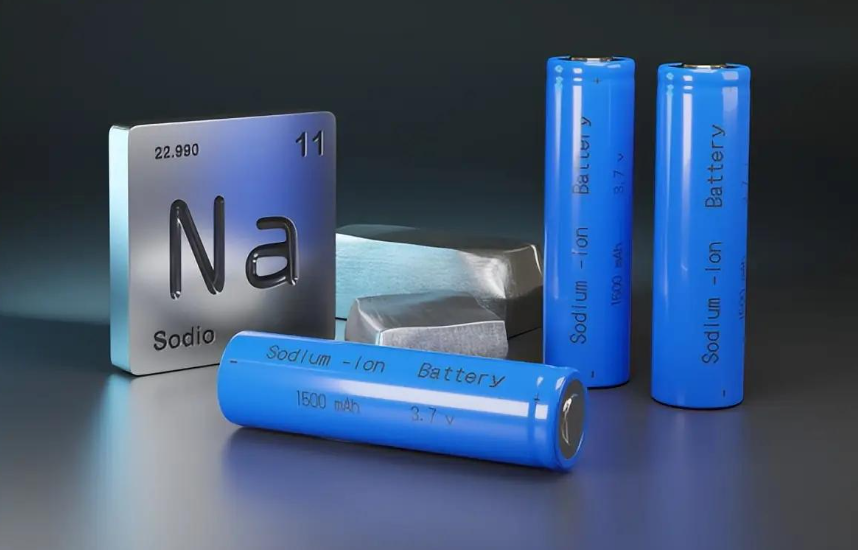
The global push for energy transition has created explosive demand for affordable, sustainable storage solutions. Lithium-ion batteries have led the way, but sodium ion batteries offer a compelling alternative—using abundant, low-cost materials that reduce reliance on scarce resources.
Until recently, layered oxide cathodes held the top spot in Na-ion battery development. However, the market is rapidly moving toward a more balanced evaluation. Polyanion technology is surging ahead because it delivers superior overall economics and reliability, especially for stationary storage applications.
Industry Leaders Accelerate Polyanion Na-Ion Battery Production
2026 has already seen major China sodium battery manufacturers and supply-chain players ramp up investments in polyanion routes. New and expanded production bases, particularly in regions like Sichuan, are coming online with capacities reaching tens of thousands of tons. This infrastructure now supports gigawatt-hour (GWh)-scale battery output.
Several companies have achieved stable, multi-tonne production and reliable supply chains. Even traditional lithium battery giants are entering the space through dedicated subsidiaries and pilot lines. The result? A clear acceleration toward commercialization.
Explosive Growth: Polyanion Cathodes Take Over 70% Market Share
Data from late 2025 onward shows polyanion positive electrode materials surging in shipments. They now command more than 70% of the sodium battery cathode market, while layered oxide materials are losing ground.
This dominance is expected to strengthen throughout 2026 as demand from energy storage and grid applications skyrockets. For Na-ion battery buyers and project developers, the message is clear: polyanion technology is no longer a niche option—it’s becoming the mainstream choice.
Core Advantages of Polyanion Sodium Ion Batteries
Here’s why polyanion Na-ion batteries are winning the market:
- Unbeatable Cost Advantage Built from widely available sodium, iron, and phosphorus, these materials enjoy stable pricing and massive supply. As production scales, costs are projected to drop to the low thousands per ton—making them ideal for cost-sensitive applications like grid storage and telecom base stations.
- Exceptional Safety and Structural Stability The three-dimensional polyanion framework prevents structural collapse even under stress. Thermal stability far exceeds layered oxides, delivering a safer battery for large-scale installations.
- Long Cycle Life for High-Frequency Use Expect 8–10 years of reliable service with minimal capacity fade. This makes polyanion sodium ion batteries perfect for daily charge-discharge cycles in grid frequency regulation and distributed energy systems.
- Superior Low-Temperature Performance Even at –20°C, these batteries retain over 90% capacity. That opens up new markets in cold climates, high-altitude regions, and outdoor installations where other chemistries struggle.
A Multi-Technology Future: Differentiation, Not Replacement
Polyanion Na-ion batteries won’t completely replace layered oxide routes. Each chemistry has its strengths:
- Polyanion excels in stationary storage, backup power, and long-duration applications.
- Layered oxides still lead in high-energy-density and fast-charging scenarios, such as electric vehicles.
The future of Na-ion battery technology is a healthy coexistence—different routes serving different needs and creating a more resilient, diversified market.
Why 2026 Is the Breakthrough Year for Sodium Ion Batteries
With ongoing process improvements and economies of scale kicking in, polyanion sodium ion batteries are on track for further gains in energy density and cost reduction. Industry analysts believe 2026 will mark the true inflection point for widespread adoption across energy storage, power systems, and renewable integration projects.
This shift also reflects a deeper change in how the industry evaluates batteries: moving from “parameter-first” thinking (energy density alone) to “value-first” thinking (total cost of ownership, safety, and lifecycle performance).
Polyanion Na-Ion Batteries Are Leading the Next Wave
The rise of polyanion sodium ion batteries signals a more mature, practical, and sustainable chapter for Na-ion battery technology. Low cost, high safety, long life, and excellent environmental adaptability make them the smart choice for the energy storage boom ahead.
As a dedicated China sodium ion battery manufacturer, Sike Power is proud to support this exciting transition. Whether you’re a project developer, system integrator, or energy company exploring next-generation storage, now is the time to learn more about how polyanion Na-ion batteries can power your success in 2026 and beyond.
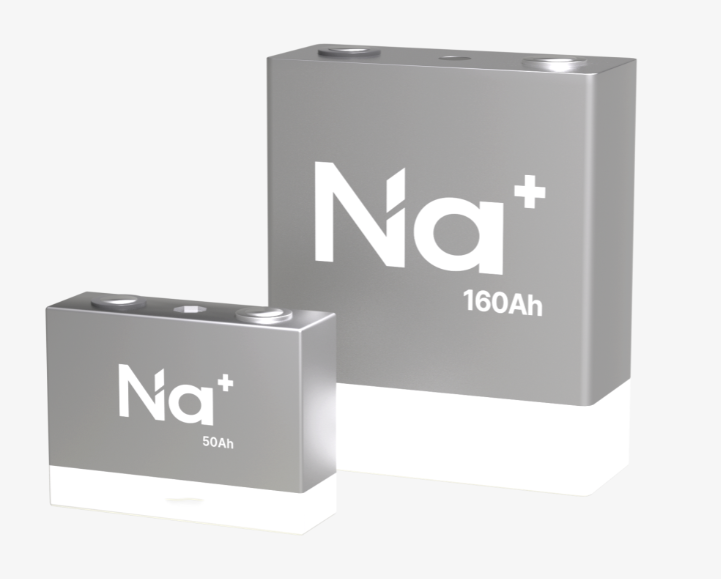
Ready to explore the future of affordable, reliable energy storage? Contact our team today to discuss polyanion sodium ion battery solutions. Sike Power is able to help you customize your needs for sodium ion battery packs, such as 12V 50Ah,12V 100Ah, 12V 160Ah, 48V 50Ah, 48V 160Ah etc capacity.
#polyanion Na-ion battery
#sodium ion battery 2026
#Na-ion battery commercialization
#polyanion cathode sodium battery
#low cost sodium ion battery
#sodium battery energy storage
#China Na-ion battery manufacturer
#sodium iron phosphate battery
#NFPP sodium ion battery
#polyanion sodium battery advantages